

Moving storage is only necessary when there is a gap between leaving your old home and getting into the new one. Common reasons are closing dates that don’t line up, a renovation, a new build, or downsizing. If you can move straight from one home to the next, you likely don’t need it.
This hub answers the storage questions people ask most during a move. It compares your options in plain language. Each section links to a deeper LiteMovers guide.
Need a place for your things between homes?
LiteMovers offers short- and long-term moving storage. Request a written estimate today.
Questions in this guide
Is Renting a Storage Unit Necessary for Moving?
Short answer: No, not for most moves. You need storage only if there is a gap between homes, your new place is smaller, or work is being done on the house. If your closing and move-in fall on the same day, you can skip storage and move straight in.
Here are the most common reasons people in our area use moving storage:
- ✓Closing on the sale before the purchase closes
- ✓Building a new home in Chester or Montgomery County
- ✓A kitchen or floor project in the new home
- ✓Downsizing to an apartment or senior community
- ✓Staging a home for sale with less furniture
If your dates line up, skip it and save the extra steps. If they don’t, plan storage early so it’s ready on move day.
Go deeper: Do I need storage during my move?
How Do Climate-Controlled Storage Units Work During a Move?
Short answer: Climate-controlled units use heating and cooling to keep the temperature and humidity in a steady range all year. That protects wood furniture, leather, photos, electronics, and musical instruments from heat, cold, and damp. Your items go from the truck into the unit, then back on the truck when you’re ready.
Pennsylvania summers are humid, and winters freeze. A plain garage-style unit can swing with the weather. Wood can crack, and photos can stick together. Climate control limits those swings.
Not everything needs it. Patio furniture, tools, and plastic bins do fine in a standard unit. Pianos, antiques, art, and paper records are the items to protect most. Ask what climate options fit your list when you book.
Go deeper: Climate-controlled storage for long-distance moves
What Moving Storage Options Are There?
Short answer: There are four main moving storage options: mover vault storage, self-storage units, portable containers, and storage in transit for long-distance moves. Vault storage means the crew loads and handles everything. Self-storage means you rent the unit and move items in and out yourself.
Mover vault storage
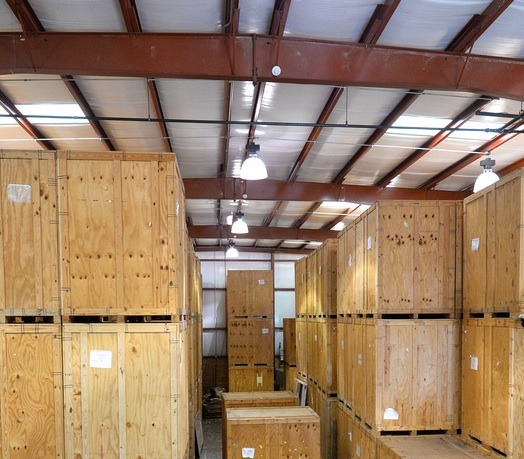
With vault storage, the crew wraps your items in pads and shrink wrap and loads them into a sealed wooden vault. Each vault gets a tracking code. Your goods stay in the vault until delivery, so they are handled less. LiteMovers schedules vault access ahead of time, so give a week’s notice.
Go deeper: Vaulted storage vs. self-storage
Self-storage units
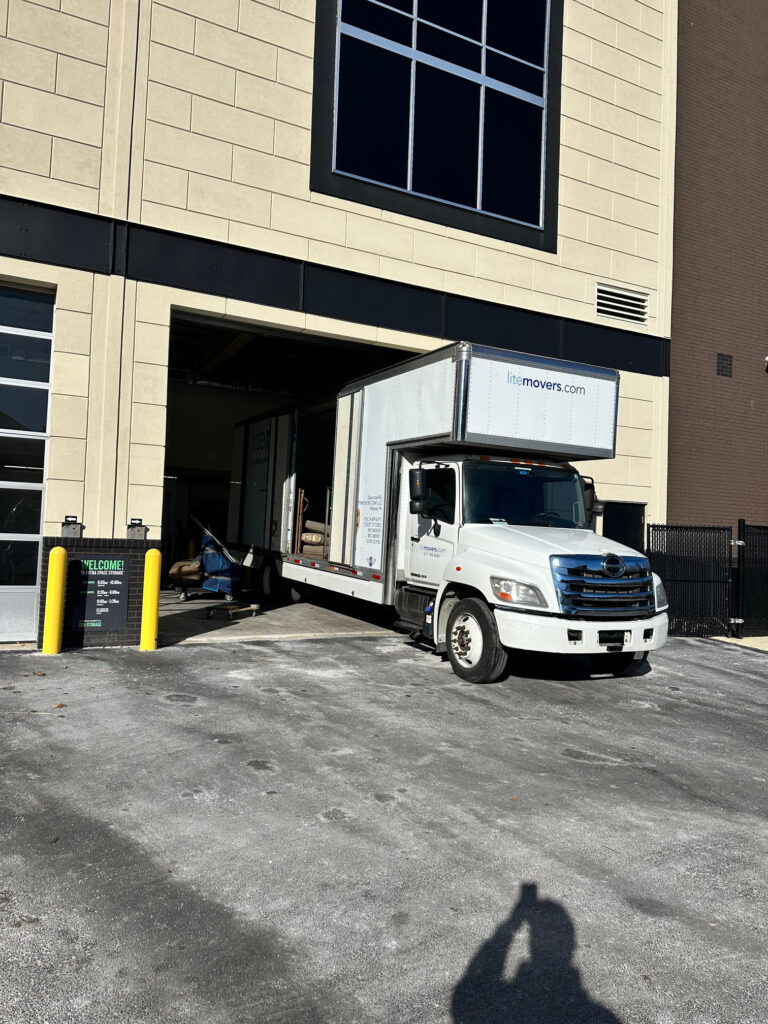
Self-storage gives you your own key and access during posted hours. It works well if you need to get to items often. Many people hire movers to load a self-storage unit, so they don’t have to carry everything themselves.
Go deeper: Movers for self-storage
Portable containers
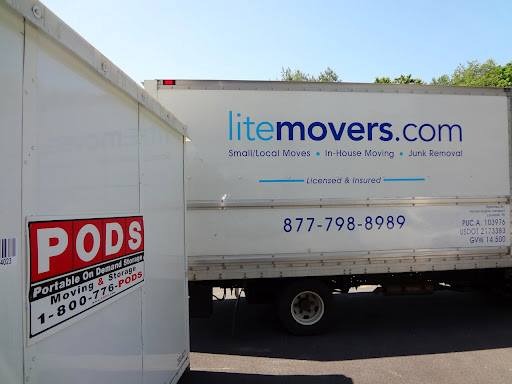
A portable container is dropped in your driveway. You or a crew load it, and the company hauls it away. Check your town or HOA rules first, since some limit how long a container can sit outside.
Go deeper: Portable storage container guide
Storage in transit
On long-distance moves, the mover can hold your goods for a short time if the new home isn’t ready. This is called storage in transit. The FMCSA Protect Your Move page explains your rights on interstate moves, including storage.
Go deeper: How storage in transit works
How Should You Prepare Items for Moving Storage?
Short answer: Clean and dry everything before it goes into moving storage. Pack in sturdy boxes of the same size so they stack well. Wrap furniture in pads, not plastic alone, so it can breathe. Label boxes on two sides and keep a list of what you stored.
- ✓Empty and dry fridges, freezers, and washers
- ✓Take apart bed frames and bag the hardware
- ✓Stand mattresses upright in mattress bags
- ✓Put items you’ll need first near the door
- ✓Keep a photo inventory on your phone
Some items should never go into moving storage. Our list of what not to put in storage covers them. Not sure what size you need? See the storage unit size guide.
Moving Storage for Main Line and Chester County Moves
Many of our moving storage jobs start with a home sale on the Main Line. The sellers close first, then wait weeks for their new home. Others are building in Chester County and need storage until the builder finishes.
Seniors who downsize often store a few family pieces while they decide who gets what. Our senior moving help and storage between closings guides cover both cases.
Want one team for packing, moving, and moving storage? See our packing and storage services or tour the LiteMovers warehouse page.
Frequently Asked Questions
How long can I keep my things in moving storage?
As long as you need. Some people store for a few days between closings. Others store for months during a build or a renovation. Tell your mover your best guess, and you can extend it later.
Can I get to my things while they are in storage?
It depends on the type. Self-storage units let you visit during posted hours. Mover vault storage is sealed and handled by the crew, so you schedule a pickup or a delivery ahead of time.
What should I never put in storage?
Do not store food, plants, pets, propane, paint, gasoline, cleaning chemicals, or anything wet. Keep cash, jewelry, passports, and medicine with you. Check your mover’s full list before packing.
Is my stuff covered while it is in storage?
Ask before you store. Your mover’s valuation may cover goods in its warehouse, and your homeowners or renters policy may add coverage. Get the details in writing and keep a list of what you stored.
Moving storage, handled by one team
Pack, move, store, and deliver with LiteMovers. Call today or request a written estimate.
LiteMovers · 307 East Church Rd, Suites 1 & 2, King of Prussia, PA 19406 · (610) 755-5535 · Toll-free 1-877-798-8989
Licensed and insured · PA PUC A-8916211 · USDOT 2173383 · MC-888055 · Family owned since 2007

Comments are closed.