

Moving into a city apartment is not like moving into a house. Your building has rules, and the rules start long before the truck shows up. Most high-rises want proof of insurance, a booked elevator, and a set move time. Miss one step, and the front desk can turn your crew away.
LiteMovers has handled apartment moves across the city and the Main Line since 2007. This guide covers what buildings ask for, how the elevator shapes your day, and how to avoid surprises.
Quick answer: what most Philadelphia buildings require
- ✓A certificate of insurance (COI) from your moving company
- ✓An elevator reservation, often with pads and a key
- ✓A set move window, usually on weekdays during business hours
- ✓A move-in or move-out form, sometimes with a refundable deposit
- ✓A plan for the truck: loading dock, curb space, or temporary signs
The Certificate of Insurance (COI), Explained
A COI is a one-page document from your mover’s insurance company. It proves the mover carries general liability and workers’ compensation coverage. Buildings use it to protect their lobbies, halls, and lifts.
Most buildings have a sample COI with exact wording. It lists who must appear as certificate holder or additional insured. That is usually the building owner and the management company.
How to get your COI approved fast
- ✓Ask the property manager for the sample COI and the full move policy in writing.
- ✓Send both to your mover as soon as you book.
- ✓Check that the names and address match the sample word for word.
- ✓Confirm the building received and approved it two or three days before the move.
LiteMovers issues COIs for apartment and condo buildings all the time. Send us your building’s sample, and we handle the rest. Learn more about our Philadelphia apartment movers service.
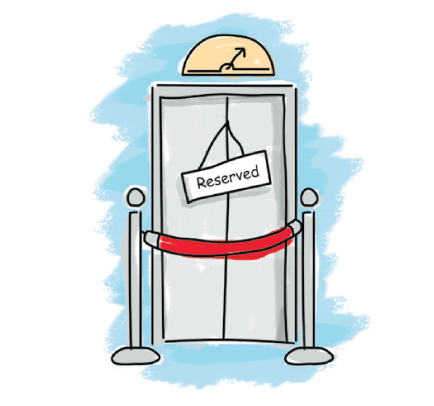
Elevators: The Real Bottleneck on Move Day
In a high-rise, the elevator sets the pace of the whole move. A fast crew still waits on a slow cab. That is why planning around the elevator matters more than anything else.
Reserve the service elevator
Most buildings let you book the freight or service elevator for a block of time. Ask if the cab comes with pads, or if your mover must bring them. Ask if a key or staff member is needed to lock it on independent service.
Measure before you move
Measure the elevator door width, cab depth, and ceiling height. Then measure your largest pieces. Sofas, box springs, and tall dressers cause the most trouble. A quick measurement now saves a stuck sofa later.
Older elevators need extra care
Many buildings, from Rittenhouse to Old City, have old lifts. They tend to be smaller, slower, and stricter about weight. Our crews stay under the posted limit and make more trips. We also protect the door tracks so nothing scrapes or jams.
- ✓Stand sofas and mattresses on end to use the cab’s height.
- ✓Take apart bed frames, tables, and sectionals before they reach the hallway.
- ✓Use the stairwell for oversized pieces, only with building approval.
- ✓Keep one crew member at each floor so the cab never sits idle.
Moving into a building with strict rules?
We handle the COI, elevator prep, and timing so you do not have to.
Truck Parking in Philadelphia
Parking is the second big challenge in the city. Many streets are narrow, and curb space is tight. Center City, Fairmount, and Old City are the toughest spots for a moving truck.
- ✓Ask your building if it has a loading dock and how to reserve it.
- ✓Ask if the building has a reserved curb spot or loading zone for moves.
- ✓Check city rules for temporary no-parking signs if you need street space.
- ✓Tell your mover about low trees, wires, or one-way streets near the entrance.
We scout tough addresses ahead of time and choose the right truck for the street. See how we work in Rittenhouse Square, Old City, and Fairmount.

Apartment Moves vs. House Moves
A house move is mostly about volume. An apartment move is mostly about access. Here is how they differ.
| Factor | Apartment or High-Rise | House |
|---|---|---|
| Paperwork | COI, move forms, deposits | Rarely needed |
| Timing | Set move windows | Flexible hours |
| Access | Elevators, long halls, loading docks | Driveways and stairs |
| Parking | Tight curbs, permits, docks | Usually easy |
| Furniture | More pieces taken apart | Fewer pieces taken apart |
How to Prepare for a Building With Strict Rules
A little prep keeps the front desk happy and your move on time. Use this list.
Two to three weeks out
- ✓Get the move rules, sample COI, and move form from the building.
- ✓Book your mover and send them the building forms.
- ✓Reserve the elevator and loading dock for the same block of time.
The week before
- ✓Confirm the COI was approved.
- ✓Pack everything except daily essentials. Label boxes by room.
- ✓Plan where pets will stay on move day.
Move day
- ✓Meet the crew at the front desk to speed up check-in.
- ✓Keep hallways clear and doors propped as the building allows.
- ✓Walk the halls and elevator with staff at the end to confirm no damage.
Need a lighter timeline? Our guide to the best day of the week to move can help you pick a less crowded date.
Packing, Take-Apart, and Fragile Items
High-rise moves are hard on fragile items. Boxes ride elevators, roll down long halls, and wait on carts. Our packing services use sturdy cartons, paper, and pads built for that trip.
- ✓Full packing, partial packing, or just your kitchen and fragile items
- ✓Taking apart and putting back beds, tables, desks, and shelves
- ✓Custom protection for TVs, mirrors, glass tops, and artwork
- ✓Mattress bags and wardrobe boxes so clothes stay on hangers
Pack fragile items in small boxes, not large ones. Mark them clearly. Coordinate packing with your move window so nothing sits in the hallway against building rules.
Storage When Move Dates Do Not Line Up
Leases do not always end and start on the same day. If there is a gap, we can store your things and deliver later. Learn about moving and storage in Philadelphia. This also helps when a new building pushes back your move-in date.
Booking Timeline and Peak Season
The busiest moving months in the city run from May through September. The end and start of each month are packed with lease changes. Late August is extra busy near the colleges.
- ✓Book three to four weeks ahead for most apartment moves.
- ✓Book six weeks or more ahead for summer or end-of-month dates.
- ✓Fall is a great time to move. See our tips for moving in the fall.
What Affects the Cost of an Apartment Move
Every move is different, so we quote once we know the details. These factors shape the cost the most:
- ✓How much you are moving and how much needs packing
- ✓Elevator wait times, long carries, and stairs
- ✓Distance between the old and new homes
- ✓The day and time, including weekend and end-of-month dates
- ✓Extra services like storage, disassembly, or junk removal
The best way to get an accurate number is a free moving estimate. Tell us about your building, and we will plan for the lift and parking up front.
Insurance and Coverage Options
There are two kinds of cover on an apartment move. Know which is which.
- ✓Building coverage: the mover’s general liability insurance, shown on the COI, covers damage to elevators, halls, and walls.
- ✓Your belongings: the mover’s valuation coverage protects your items. Basic coverage is limited, so ask about full-value protection.
- ✓Your renters policy: check if it covers items in transit or in storage.
How to Verify a Mover
Licensed movers are easy to check. Ask for these numbers and look them up yourself.
- ✓USDOT number: LiteMovers is USDOT 2173383. Look it up on the FMCSA website.
- ✓Pennsylvania PUC number: LiteMovers holds PA PUC 8916211 for moves within the state.
- ✓Recent reviews: look for reviews that mention apartments, elevators, and building staff.
- ✓A written estimate: avoid movers who only quote over the phone without details.
For a full checklist, read how to choose a Philadelphia mover. Or see our guide to the best movers in Philadelphia.
Pets and Eco-Friendly Moving
Movers do not transport pets. Keep pets in a closed room, crate, or with a friend while doors are open. It keeps them safe and keeps the crew moving.
We use reusable moving pads instead of single-use wrap wherever we can. Items you no longer want can go to donation instead of the curb. Ask about our removals and donation service.
Get your building paperwork handled.
Call LiteMovers at (610) 755-5535 or toll-free at 1-877-798-8989. We send COIs fast.
Frequently Asked Questions
What paperwork does building management require from movers?
Most Philadelphia apartment buildings ask for a certificate of insurance (COI) from the moving company. Many also want a signed move-in form, a reserved elevator time, and a move window. Some ask for a refundable deposit. Ask the building for its written move policy and a sample COI at least two weeks ahead.
What is a certificate of insurance for a move?
A certificate of insurance, or COI, is a document from the mover's insurance company. It proves the mover carries liability and workers' compensation coverage. Most buildings require that the building owner and management company be listed as certificate holders or additional insureds.
How do movers handle old elevator systems during moves?
Good movers pad the cab walls, protect the door tracks, and load below the posted weight limit. They plan smaller, more frequent trips because older elevators are slower. For pieces that will not fit, the crew uses the stairs or hoists only when the building allows it.
How do elevator sizes affect moving logistics in Philadelphia?
Elevator size decides what fits in one trip and whether large furniture must stand on end or be taken apart. A small cab means more trips and a longer move. Measure the door opening, the cab depth, and the ceiling height before move day.
How do moving companies manage large furniture in elevators?
Movers wrap each piece in pads, then stand sofas and mattresses on end to use the cab's height. Bed frames, dining tables, and sectionals are taken apart first. If a piece is still too big, the crew uses the stairwell with the building's approval.
What are the parking restrictions for moving trucks in Philadelphia?
Many Center City streets have loading zones, permit parking, and narrow lanes. Ask your building if it has a loading dock or a reserved curb spot. In some neighborhoods you may need temporary no-parking signs, so check city rules early and allow time for approval.
What should I ask movers about building rules compliance?
Ask if they will send a COI that matches your building's sample. Ask if they will pad the elevator, use the loading dock, and finish inside your move window. Also ask if they have moved in your building or a similar high-rise before.
How far ahead should I book Philadelphia apartment movers?
Book three to four weeks ahead for most apartment moves. In summer and at the end of the month, book six weeks or more ahead. Buildings also need time to approve your COI and elevator date, so start early.
When is peak moving season in Philadelphia?
Peak season runs from May through September. The last few days and the first day of each month are the busiest because of lease turnovers. Late August is very busy near universities. Mid-month weekdays in fall and winter are the easiest days to book.
Does moving insurance cover damage to elevators?
Damage to the building, like elevators and hallways, falls under the mover's general liability insurance shown on the COI. Your belongings are covered by the mover's valuation coverage. Ask about both before you book so you know who covers what.
How do I verify a mover's credentials and reviews?
Check the mover's USDOT number on the FMCSA website and its Pennsylvania PUC number for moves within the state. Then read recent reviews on Google and other sites. Look for reviews that mention apartment moves, elevators, and building staff.
Do apartment movers handle pets during a move?
Movers do not transport pets. On move day, keep pets in a closed room, a crate, or with a friend. This keeps them safe while doors stay open and the crew carries heavy items.
Moving to the suburbs instead? See our King of Prussia apartment movers and local movers in Philadelphia pages.
LiteMovers LLC · 307 East Church Rd, Suites 1 & 2, King of Prussia, PA 19406 · (610) 755-5535 · Toll-free 1-877-798-8989 · USDOT 2173383 · PA PUC 8916211

Comments are closed.