

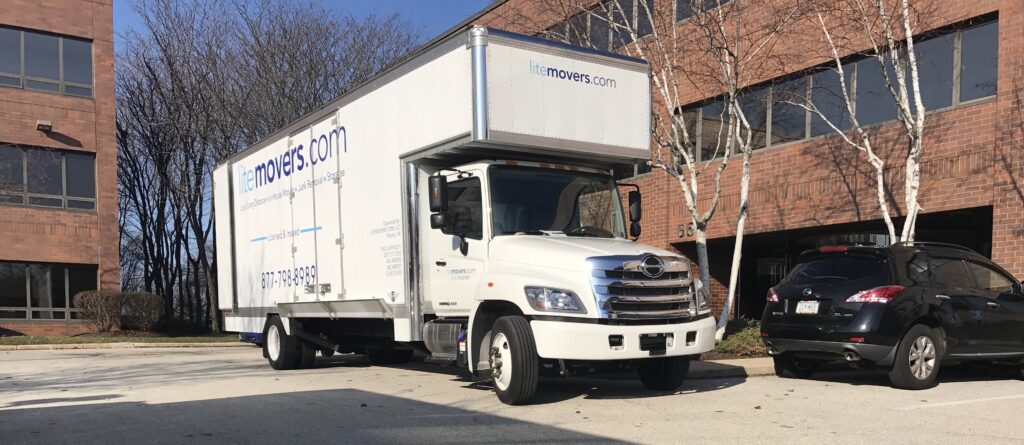
Litemovers is your number one choice for suburban Philadelphia Office moves
Commercial & Office Moving Cost Guide
Understand what office moves really cost—so you can plan, budget, and move without surprises.
An office move affects productivity and revenue. The costs are often higher than businesses expect. According to Stack Moves, costs range from $1,500 for a small suite to over $20,000 for a large office. Getting an accurate estimate early is the best way to avoid overruns.
Office Moving Cost by Size
Office size is the best starting point for an estimate. The table below is a general guide. Your actual cost depends on crew size, equipment, and building access.
| Office Size | Typical Cost Range | Crew Size (Est.) | Notes |
|---|---|---|---|
| Small (<1,000 sq ft) | $1,500–$5,000 | 2–3 movers | Suitable for small teams, single-room offices, or suite relocations |
| Medium (1,000–10,000 sq ft) | $5,000–$20,000 | 4–8 movers | Typical for mid-size businesses with multiple departments or floors |
| Large (10,000+ sq ft) | $20,000+ | 8+ movers | Multi-day moves common; phased planning often required |
Key Cost Drivers for Commercial Moves
Five things explain most of the price difference between quotes. Knowing each one helps you ask the right questions before you sign.
1. Number of Workstations and Desks
Workstation count drives labor hours more than almost anything else. Each station includes a desk, chair, monitor, and pedestal. More stations means more crew and more time on the job.
2. IT and Server Equipment
Servers and networking gear need extra care during transport. If your mover handles disconnection and reconnection too, expect that to add to the total. Many businesses coordinate that work separately with their IT vendor.
3. Building Access and Loading Docks
Access at both buildings affects how fast the crew can work. A loading dock and freight elevator speed things up. Street parking, stairs, or shared elevators slow things down and raise labor costs.
4. Timing: Business Hours vs. After-Hours
Business-hours moves cost less per hour. Weekend and after-hours moves carry a 15–25% premium. But off-hours moves keep your staff productive during the week, which often justifies the extra cost.
5. Distance
Local moves in the Philadelphia area are usually priced by the hour. Longer moves may use a flat or weight-based rate. Confirm the pricing model before you compare quotes.
What to Ask for in a Commercial Moving Estimate
A good estimate prevents surprises on move day. Ask every mover to address each of these points in writing.
- Floor plan and full inventory — The mover should walk through the space or review a detailed floor plan. Square-footage-only estimates are often off.
- Parking and building access — Confirm who books the loading dock, elevator windows, and permits. Access delays add cost fast.
- IT handling scope — Clarify what IT tasks the mover will do. Physical transport only? Disconnection? Setup? Anything outside that scope needs a separate vendor.
- Insurance certificates — Ask for current liability and workers’ comp certificates before the move. Check that the limits cover your equipment value.
- Timeline and phasing plan — For bigger offices, ask how the mover will sequence departments or floors. A clear plan keeps part of the business running during the move.
- References from similar jobs — Ask for two or three references from moves of similar size. A good mover will share them right away.
Related Resources
- Commercial Moving Philadelphia
- Pennsylvania Office Moving
- Institutional Moving
- Commercial Moving Hub
- In-Person Moving Estimates
Frequently Asked Questions
How much does a typical office move cost in the Philadelphia area?
Costs vary by size. Small offices under 1,000 sq ft run $1,500–$5,000. Medium offices cost $5,000–$20,000. Large offices top $20,000. Data from Stack Moves and Clancy Relocation.
What is the biggest factor in the cost of a commercial move?
Workstation count is usually the biggest factor. IT equipment adds cost if movers handle disconnection and setup. Building access — loading docks, freight elevators — also plays a big role.
Should we move over a weekend to avoid downtime?
Weekend moves carry a 15–25% premium over weekday rates. But they keep your staff working during the week. For most companies, the extra cost is worth it.
Who handles disconnecting and reconnecting computers and servers?
Movers transport IT equipment. They do not handle technical setup or cabling. That work falls to your IT team or a separate vendor. Get the scope in writing before you sign.
How far in advance should a business book a commercial mover?
Book at least two to three months out. Commercial moves need detailed planning and building coordination. Waiting too long limits your options and can raise costs.
What insurance should a commercial mover carry?
Your mover should carry general liability and workers’ comp. Ask for certificates before the move starts. If you have high-value gear, confirm the limits are enough or get extra coverage.
How do we minimize employee disruption during a move?
Tell staff about the move timeline early. Name one coordinator as the point of contact. Have employees pack and label their own workstation items. Move after hours when you can. A clear phasing plan cuts down on confusion.
Ready to Plan Your Office Move?
Get an estimate based on your actual office size and timeline. The earlier you start, the more options you have.