

What to Expect on Moving Day
An hour-by-hour walkthrough so nothing catches you off guard.
If you’ve never moved with professionals before, the unknown is the worst part. Here’s exactly how a typical move day plays out with LiteMovers (PUC A-8916211, USDOT 2173383, MC-888055), from the doorbell ring to the final signature.
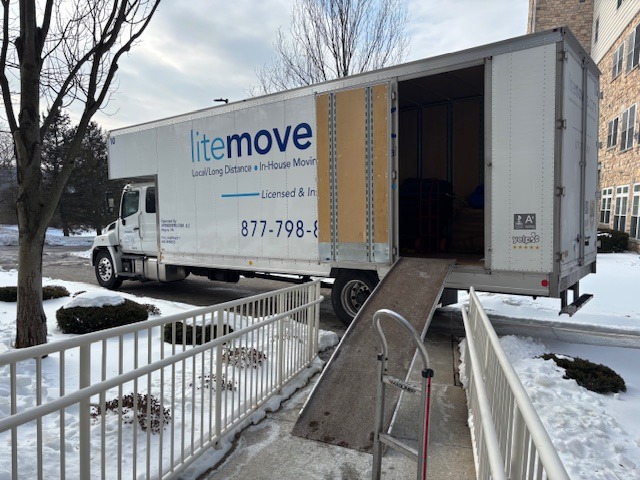
The Night Before
- ✓ Unplug the refrigerator and freezer to defrost
- ✓ Empty drawers of dressers — only clothes can stay
- ✓ Pack a “first-night” bag — meds, phone chargers, sheets, towels, coffee
- ✓ Confirm parking at both ends — apartment buildings often need permits (see elevator and loading dock booking)
- ✓ Charge your phone — you’ll be answering questions all day
- ✓ Set aside cash for tips if you’d like to tip the crew
For a deeper pre-move plan, see how to organize your move.
Arrival — Within Your Window
We give you a two- or three-hour arrival window, not a single time. Trucks, traffic, and previous-day overruns mean a hard arrival time isn’t honest. We text or call when we’re 30 minutes out.
When the crew arrives:
- ✓ The lead introduces the team
- ✓ You sign the bill of lading authorizing the move
- ✓ You walk through the home together — every room, basement, attic, garage, shed
- ✓ You point out anything fragile or “do not move”
- ✓ The lead estimates final time based on what they see
Pro tip: Tag items that aren’t going on the truck — the suitcase by the door, the boxes for your car, the trash to be left. A yellow sticky note works fine.
Protection Goes Down First
Before a single box moves, the crew lays floor runners over hardwoods and carpet, pads doorways and banisters, and shrink-wraps stair handrails. See how we protect hardwood floors. This takes 15 to 20 minutes and saves your security deposit.
The Load — The Longest Phase
Loading is the longest part of move day. The crew works methodically:
- Boxes first, then loose items, then furniture
- Heavy items at the bottom of the truck, light at top
- Mattresses and sofas in mattress and furniture bags
- Dressers wrapped in pads and shrink-wrapped
- Mirrors and art in custom boxes or mirror cartons
- Disassembled bed frames, bagged and tagged
You don’t need to hover. The lead checks in regularly. Be reachable for questions and let them work.
The Drive
For local moves, the truck heads straight to your new place. For long-distance, the truck either drives straight through or stages overnight depending on the route. Either way, you get a tracking update.
Arrival at the New Home
- ✓ The crew lays protection again — floors and doorways
- ✓ You do a quick walkthrough showing where each room is
- ✓ You mark which rooms are which (the floor plan rarely matches “the front bedroom”)
- ✓ Boxes go to the room labeled on them — that’s why labeling matters
- ✓ Furniture is placed exactly where you want it
Reassembly
Beds get reassembled. Dining tables get legs put back on. Mirrors get rehung if you’d like. We reassemble what we disassembled at origin.
What we don’t do automatically: hang art, mount TVs to walls, hook up gas appliances, or install washer/dryer plumbing. Ask the lead — some of it we can help with, some we can’t.
The Walkthrough & Payment
Before the truck leaves, you and the lead walk every room one more time. You confirm:
- ✓ Every item is off the truck
- ✓ Furniture is where you want it
- ✓ Nothing is damaged
- ✓ Pads, runners, and shrink-wrap are gathered
You sign the final paperwork. Payment for local moves is due at completion. See payment methods we accept.
Tipping & Reviews
Tipping isn’t required but it’s appreciated. Most folks tip $20 to $40 per crew member for a half-day move, more for a full day or stairs-heavy job. Cash is preferred — it doesn’t go through payroll.
If you had a good experience, a Google review by name is the single best thing you can do for our crew.
Common Day-Of Surprises (and How to Avoid Them)
- ✓ “There’s no parking.” Reserve the spot the day before
- ✓ “That doesn’t fit through the door.” Measure doorways before move day for any oversize sofa, sectional, or bed
- ✓ “The buyer’s not out yet.” Confirm with your real estate agent the day before closing
- ✓ “We forgot the keys.” Have keys to both places, garage codes, and alarm codes written down
- ✓ “It’s raining.” We move in rain — let us know about steep driveways or wet basements
Other Decisions to Make Before Move Day
- ✓ Pack Yourself or Hire Us? — your packing strategy
- ✓ What We Can & Can’t Move — non-allowables
- ✓ How to Choose the Right Mover — credentials check
- ✓ Best day of the week to move
Frequently Asked Questions
What time will the crew actually arrive?
We give you a two- or three-hour arrival window — usually 8 to 10 AM for first-job-of-the-day starts, or a wider afternoon window for second-job moves. The crew leader texts or calls when they’re 30 minutes out. Hard arrival times aren’t honest because traffic, the previous day’s job overrun, and routing all create variability. Building a window into your plans removes the morning stress.
Do I have to be there the whole time?
Someone you trust does — either you, your partner, or a designated friend. The crew leader needs a decision-maker available for questions about what goes where, what stays, and which room is which at the new place. You don’t have to watch every box load. Step out, get coffee, take a walk. Just be reachable by phone and back for the walkthroughs at the start and end.
Should I tip the moving crew?
Tipping isn’t required and isn’t expected, but it is appreciated for great work. Common ranges are 20 to 40 dollars per crew member for a half-day local move, 40 to 80 dollars per crew member for a full-day or stairs-heavy move, and more for very long days or interstate jobs. Cash is preferred since it doesn’t go through payroll. Pizza and cold drinks at lunch are universally welcome on hot days.
What happens if something gets damaged?
Note it on the bill of lading at the destination walkthrough — that’s the formal record. Photos help. We’ll work with you on repair, replacement, or claim under whichever valuation coverage you chose (released-value or full-value protection). Most claims resolve within two to three weeks. Crews are trained to wrap and pad everything; damage on a typical move is rare but not impossible. Honest reporting day-of speeds everything.
When and how do I pay?
For local Pennsylvania moves, payment is due at completion when the truck is unloaded and the walkthrough is signed off. We accept credit cards, debit cards, checks, ACH, Venmo, Cash App, and cash. For interstate moves regulated under USDOT 2173383, payment terms follow our published tariff and are explained on your estimate and bill of lading. No surprises — what’s on the estimate is what you pay, barring scope changes you authorize.
Have a Move Coming Up?
Talk to an estimator who’s done thousands of these. We’ll walk you through every step before move day.
LiteMovers · PUC A-8916211 · USDOT 2173383 · MC-888055
307 East Church Rd, Suite 1 & 2, King of Prussia, PA 19406