

Every move has the same handful of problems. Boxes get lost, glass breaks, the truck has nowhere to park, and the first night is chaos. These moving tips come from LiteMovers crews who move Philadelphia-area homes every week. Follow them and your move runs on time and in order.

Before the Move: Fix the Problems Early
Access Route and Parking
Walk the path from the door to the curb. Clear snow, ice, toys, and low branches. If your street needs a parking permit or temporary no-parking signs, get them a week ahead. Tickets issued for missing permits are the customer’s responsibility.
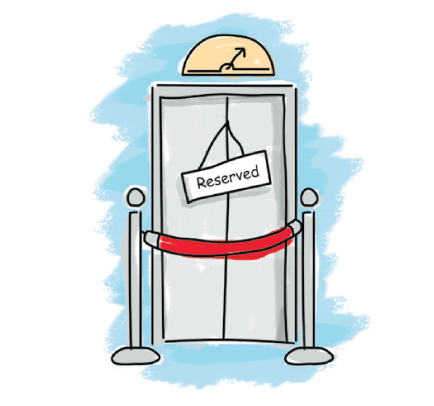
Elevator Reservations and COIs
Apartment and condo buildings often require an elevator reservation and a certificate of insurance. Tell us the building name early and we send the COI directly to management.
Decide What Goes and What Stays
Sort donations and junk before packing starts. Our junk removal and donation service hauls it away and delivers usable items to local charities.
Packing Tips That Prevent Damage

- ✓Pack an overnight bag per person: toiletries, pajamas, a change of clothes, chargers
- ✓Fill one clear open-first bin: box cutter, paper towels, trash bags, basic dishes, tools, power strips
- ✓Use new, same-size boxes. Grocery and liquor boxes are odd sizes and can carry pests
- ✓Keep every box under forty pounds and tape the bottom with two strips
- ✓Label two sides and the top with the room and contents, then number each box
Not sure how many boxes you need? Start with our packing supplies checklist. See our room-by-room box count and the moving supplies guide. Or let our packing crew do it for you.
Appliances, TVs, and Furniture

- ✓Unplug appliances and disconnect cables. Drain the washer and defrost the fridge a day ahead
- ✓Take TVs off the wall before the crew arrives. Pack them in the original box or ask us for a TV box
- ✓Disassemble bed frames and exercise equipment. Bag the hardware and tape it to the frame
- ✓Empty dressers of heavy or breakable items. Clothing can stay in the drawers
Want the Heavy Lifting Done?
LiteMovers packs, loads, and sets up your new home. Free estimates by phone or video.
Or call (610) 755-5535
Move Day and After

During the Move
Stay nearby to answer questions but out of the carry path. Cold water for the crew is always welcome. Point out fragile pieces and anything with sentimental value before loading starts.
After the Move
Walk the house with the crew lead. Check dressers with mirrors, table leaves, and shelf pins. Any damage must be noted before the crew departs. Then walk out to the truck and confirm it is empty.
Our post-move setup checklist covers the first 48 hours, from utilities to unpacking order.
Moving Problems Solved: Your Questions Answered
Direct answers to the moving questions Philadelphia-area families ask most.
What are common problems when moving to a new home?
The most common moving problems are running out of packing time, unlabeled boxes, and broken fragile items. Next come no parking or elevator access on move day and utilities not switched on. Each one is avoidable with a plan that starts four to six weeks before the move.
How can I effectively label moving boxes?
Label every box on two sides and the top with the destination room and a short list of contents. Use one marker color or colored tape per room. Number the boxes and keep a master list on your phone. Mark fragile boxes with an arrow showing which side is up.
How do I find reliable moving companies?
Start with the PA PUC and FMCSA databases to confirm the company is licensed. Before you call, prepare for a moving estimate. Then read the newest reviews on Google and the BBB, get three written estimates, and ask for a certificate of insurance. A reliable mover answers the phone, sends paperwork fast, and never asks for a large cash deposit.
What are the first steps after moving into a new place?
Walk the home before anything comes inside and photograph any existing damage. Check that water, power, and heat work. Set up the beds and the bathroom first. Then direct the crew room by room and confirm every numbered box arrived before they leave.
How can I reduce stress while moving?
Break the move into weekly tasks and finish one room at a time. Pack a first-night bag for each person. Book your mover, utilities, and permits early so nothing is last minute. Hire help for the heavy work and ask a friend to watch kids and pets on move day.
What should I unpack first after moving?
Unpack in this order: bedding and beds, bathroom basics, kitchen essentials for one meal, then clothing for the week. Leave decor, books, and seasonal items for later. A clearly marked open-first box with tools, chargers, paper towels, and a box cutter saves the first night.
What packing materials are best for fragile items?
Use new double-wall boxes, unprinted packing paper, and bubble wrap for fragile items. Dish-pack boxes with cell dividers protect glasses and plates. Wrap each piece alone, fill every gap with crumpled paper, and keep boxes under forty pounds. Never use newspaper on dishes because the ink transfers.
What items should I relocate personally?
Carry these yourself: medications, passports and IDs, jewelry, cash, financial and legal papers, laptops and hard drives, house keys, and anything irreplaceable like photos. Movers cannot transport propane, paint, aerosols, or plants on long trips, so plan for those too.
Is hiring movers better than DIY moving?
Hiring movers is better when you have stairs, heavy furniture, a tight timeline, or a long distance. DIY works for studio apartments with willing friends and a short drive. Count the truck rental, fuel, pads, dollies, and your own time before deciding. Most families with a full home save stress and injury risk by hiring a licensed crew.