

Pets on Moving Day: Keep Dogs and Cats Safe at Home
We love animals. Here is how we help keep yours safe, calm, and never lost during your move.
Moving day is loud. Doors stay open for hours. Strangers walk in and out. Furniture moves through tight spaces. For pets, this can feel scary. A scared pet can bolt, hide, or get hurt.
At LiteMovers, we love animals. We also know that even the best-trained dog or the calmest cat can panic on moving day. This guide shows you how to protect your pet before, during, and after the move.
Quick Answer: The safest plan is to keep pets out of the home on moving day. Use a trusted friend, a pet sitter, doggy daycare, or a boarding kennel. If your pet must stay home, use one quiet, locked room with food, water, and a “do not open” sign on the door.
Why Moving Day Is Risky for Pets
Pets read our stress. They also read the chaos around them. On moving day, the home stops feeling like home.
Common risks include:
- ✓ Escape through open doors. Front and back doors stay open while we carry items out.
- ✓ Injury from moving furniture. Dollies, boxes, and large pieces can hit a curious pet.
- ✓ Stress and anxiety. Loud sounds and new faces can cause panic.
- ✓ Hiding. Cats hide in boxes, closets, and even drawers. They can end up packed by mistake.
- ✓ Accidental poisoning. Cleaning supplies and tape may be left out during the move.
The Week Before the Move
Good prep starts early. Small steps now save big problems later.
Update ID Tags and Microchips
Make sure your pet has a collar with a current tag. Add your cell number and the new address. If your pet is chipped, call the chip company and update your info.
Visit the Vet if Needed
Ask for copies of records. If you are moving far, ask about calming aids for the trip. Refill any meds so you do not run out during the move.
Pack a Pet Go-Bag
Keep this bag with you, not on the truck. Include food for three days, water, bowls, a leash, waste bags, meds, a favorite toy, and a blanket that smells like home.
Book Pet Care Early
Doggy daycare and boarding fill up fast, especially on weekends. Book two weeks out when you can.
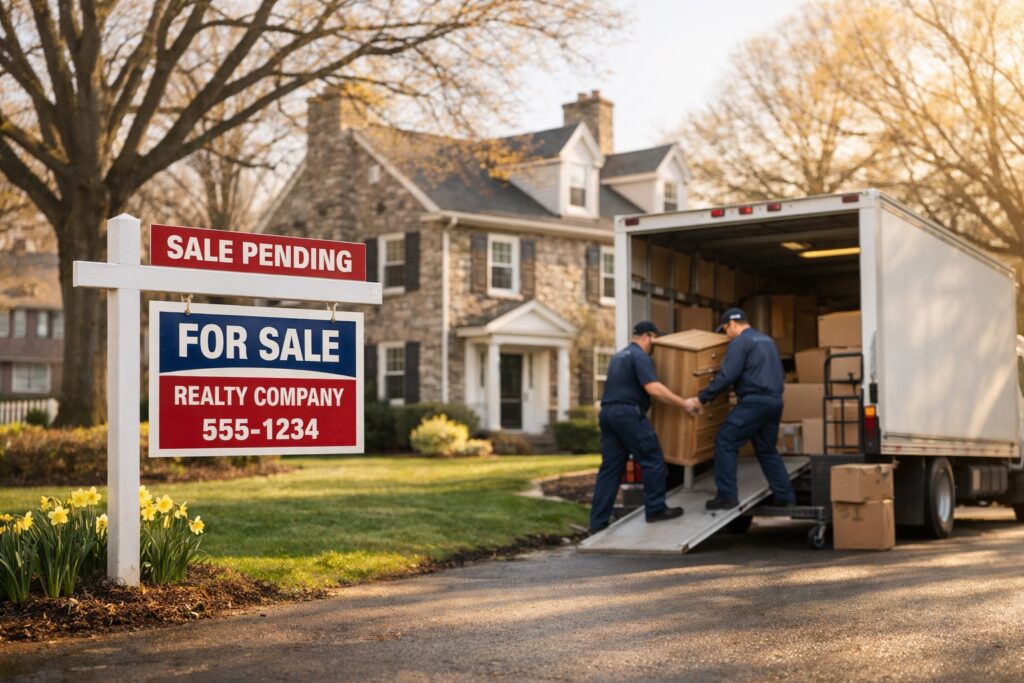
LiteMovers crew prepping to load. Open doors are a real risk for pets.
Best Options for Where Pets Should Go
Pick the option that fits your pet’s comfort level. Here are the top choices:
1. A Friend or Family Member
This is often the best pick. Your pet knows the person and feels safe. Drop off the night before if you can.
2. Doggy Daycare
Good for active dogs. Most local daycares in Wayne, Paoli, King of Prussia, and Media offer full-day care. Drop off at open and pick up at close.
3. A Boarding Kennel
Best for multi-day moves. Kennels feed, walk, and watch your pet overnight. Bring their own food to avoid upset stomachs.
4. A Pet Sitter at Your Home
Good for cats and older pets that hate travel. The sitter stays in a closed room with your pet while we work.
5. The “Safe Room” Plan
If none of the above work, pick one room. Use a bathroom, a small bedroom, or a laundry room. Put a big sign on the door: “PETS INSIDE. DO NOT OPEN.”
Setting Up a Safe Room
If your pet must stay home, the safe room is your friend. Here is how to set one up right.
Pick the room first. Choose a spot we will not need to enter. A small bathroom works well. It has water, a door that locks, and hard floors.
Move the pet in before the crew arrives. Put them there at least an hour before we show up. Give them time to settle.
Stock it fully. Include fresh water, food, a litter box for cats, a bed or crate, toys, and a radio playing low music. Music helps block out moving sounds.
Tape a big sign on the door. Write in bold marker: “PET INSIDE. DO NOT OPEN. DO NOT MOVE ITEMS FROM THIS ROOM.”
Tell our crew foreman. When we arrive, point out the safe room. We will save it for last and plan around it.
Tips by Pet Type
Dogs
Dogs often want to help. They also bolt through open doors. A long walk before drop-off burns energy. Keep them leashed or crated if they must stay.
Cats
Cats hide. They squeeze into box springs, dresser drawers, and open boxes. Close every drawer and seal every box. Check inside wardrobes before we load them.
Birds
Birds spook from loud sounds. Cover the cage with a light cloth. Keep them in the safe room. Move the cage last and place it in the new home first.
Fish
Fish travel in sealed bags of their own tank water. Transport the tank empty and separate. Set it up first at the new place so water can cycle.
Small Pets (Rabbits, Guinea Pigs, Hamsters)
Keep them in their cage in the safe room. Cover with a towel to cut stress. Travel with them in your car, not on the truck.
A Note From LiteMovers: We do not transport pets in our trucks. State and federal rules, plus our own safety rules, do not allow it. Pets ride with you in your own vehicle.
The Drive to Your New Home
Pets ride with you. Here is how to make the trip smooth.
Use a crate or carrier. It keeps pets safe if you stop short. A loose dog can fly into the dashboard during a crash.
Bring water and snacks. Stop every two hours on long drives. Let dogs walk on a leash. Never let cats or small pets out of the car.
Never leave a pet alone in the car. Not in summer heat. Not in winter cold. Even a few minutes can be fatal.
For long-distance moves, plan your stops. Some hotels are pet friendly. Book ahead. Many Red Roof Inn, La Quinta, and Best Western locations welcome pets.
Arriving at Your New Home
The new place smells new. This can freak pets out. Give them a slow start.
Set up a safe room first. Pick a quiet room in the new home. Put down their bed, bowls, and litter box before we unload.
Keep them in that room while we unload. Our crew will keep doors open again. Same risk, new home.
Introduce them slowly. Once we leave, let them explore one room at a time. Start with the room they know best (their safe room).
Keep their old routine. Same food, same feeding time, same walks. This helps them feel safe fast.
Update vet info. Find a new local vet in the first week. Keep old records handy until you do.
If a Pet Goes Missing
Act fast. The first hour matters most.
- ✓ Search the home first. Check every closet, drawer, and under every bed.
- ✓ Check the moving truck. Cats can slip in without anyone seeing.
- ✓ Walk the block calling their name. Bring treats and a favorite toy.
- ✓ Call the microchip company and local animal control.
- ✓ Post on Nextdoor, local Facebook groups, and PetFBI.
How LiteMovers Helps Keep Pets Safe
We are a family-owned moving company in Wayne, PA. We have moved thousands of families since 2007, and most of them had pets.
Here is what our crews do:
- ✓ Ask about pets before we start loading.
- ✓ Watch for “do not open” signs on safe room doors.
- ✓ Call out when we prop doors open for long loads.
- ✓ Check inside drawers and boxes before sealing or loading.
- ✓ Respect any room you mark off-limits.
We cannot transport your pet. But we can work with you to make sure your pet stays safe from start to finish.
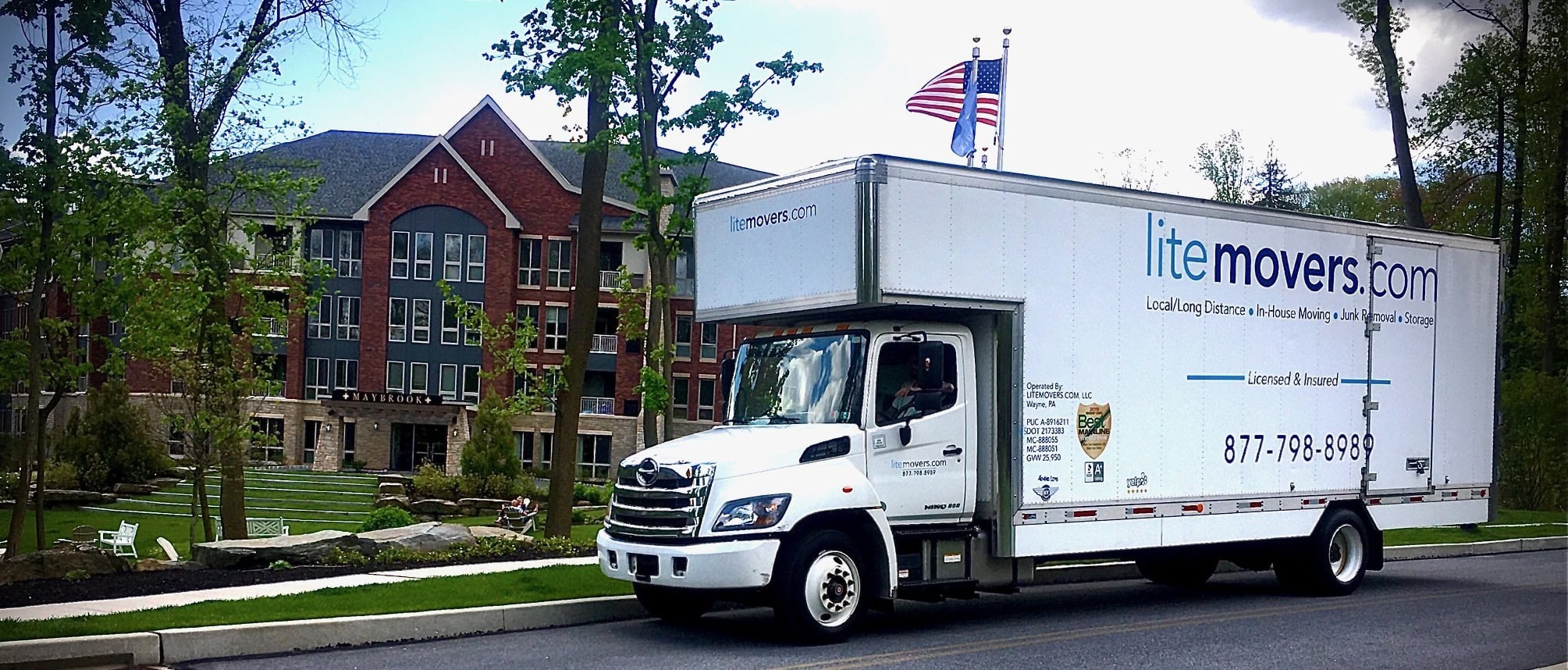
LiteMovers dedicated trucks for local and long-distance moves.
Frequently Asked Questions
Can LiteMovers transport my pet in the moving truck?
No. LiteMovers does not transport pets in our trucks. Federal rules and our safety rules do not allow live animals in the cargo area. Pets must travel with you in your own vehicle. We are happy to help plan around your pet’s needs, but they cannot ride with our crew.
What is the safest place for my pet on moving day?
The safest place is away from the move. Drop your pet at a friend’s house, a boarding kennel, or doggy daycare. If your pet must stay home, use one locked room with food, water, and a clear sign on the door that reads “Pet Inside. Do Not Open.” Tell the moving crew about the safe room as soon as they arrive.
How do I keep my cat from hiding on moving day?
Put your cat in a safe room or carrier before the movers arrive. Close all closet and cabinet doors. Check inside dresser drawers and furniture before the crew packs or loads them. Cats love tight, dark spaces, so seal every box as soon as you fill it. A carrier in a quiet room is the safest spot for any cat on moving day.
Should I sedate my dog on moving day?
Talk to your vet first. Most dogs do fine with a long walk, a chew toy, and time away from the house. For very anxious dogs, your vet may suggest mild calming aids for travel days or new-home stress. Never give human medicine to a dog. Always follow the dose your vet prescribes.
How do I help my pet adjust to a new home?
Set up one familiar room first with their bed, bowls, and toys. Keep their old food and feeding times. Let them explore one room at a time over a few days. Walk dogs on the same schedule as before. Most pets adjust within two weeks if you keep their routine steady and give them plenty of quiet time.
Planning a Move With Pets?
Tell us about your pets when we schedule your move. We build the plan around them.
Call (610) 755-5535
Get a Free Estimate
LiteMovers • 307 East Church Rd, Suites 1 & 2, King of Prussia, PA 19406 • PA PUC A-8916211 • USDOT 2173383 • MC-888055
Helpful Resources
- Moving Tips — more ways to prep for moving day
- Organize Your Move — our full prep checklist
- Packing, Moving & Storage — full-service help
- Senior Moves — extra care for older pets and their owners
- Long Distance Moves — plan pet travel for out-of-state moves
- Get a Free Estimate

Comments are closed.